Tree Planting
Restoring and Maintaining Riparian Zones
"A society grows great when old men plant trees in whose shade they know they shall never sit."
Penelope Wilton
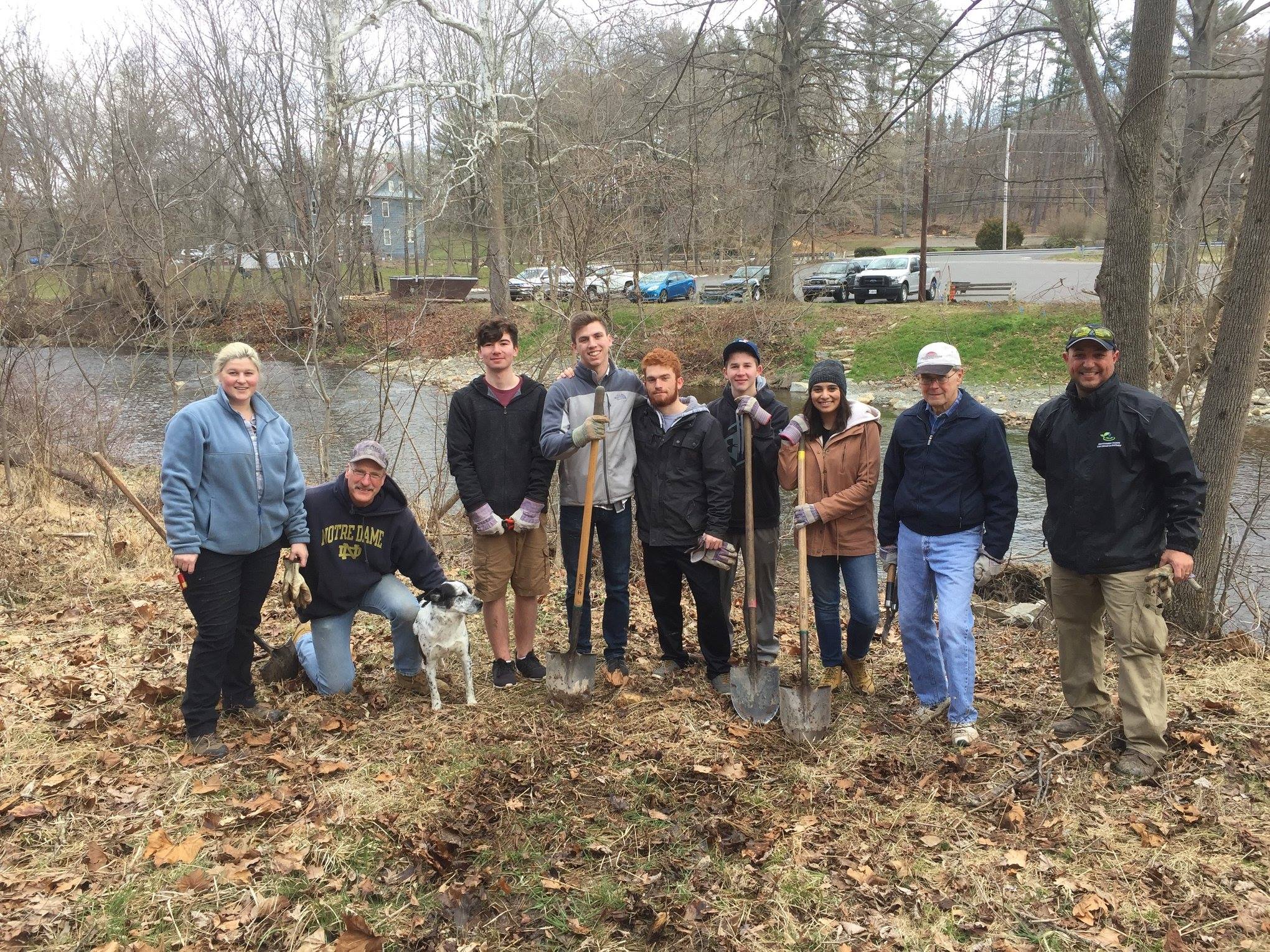
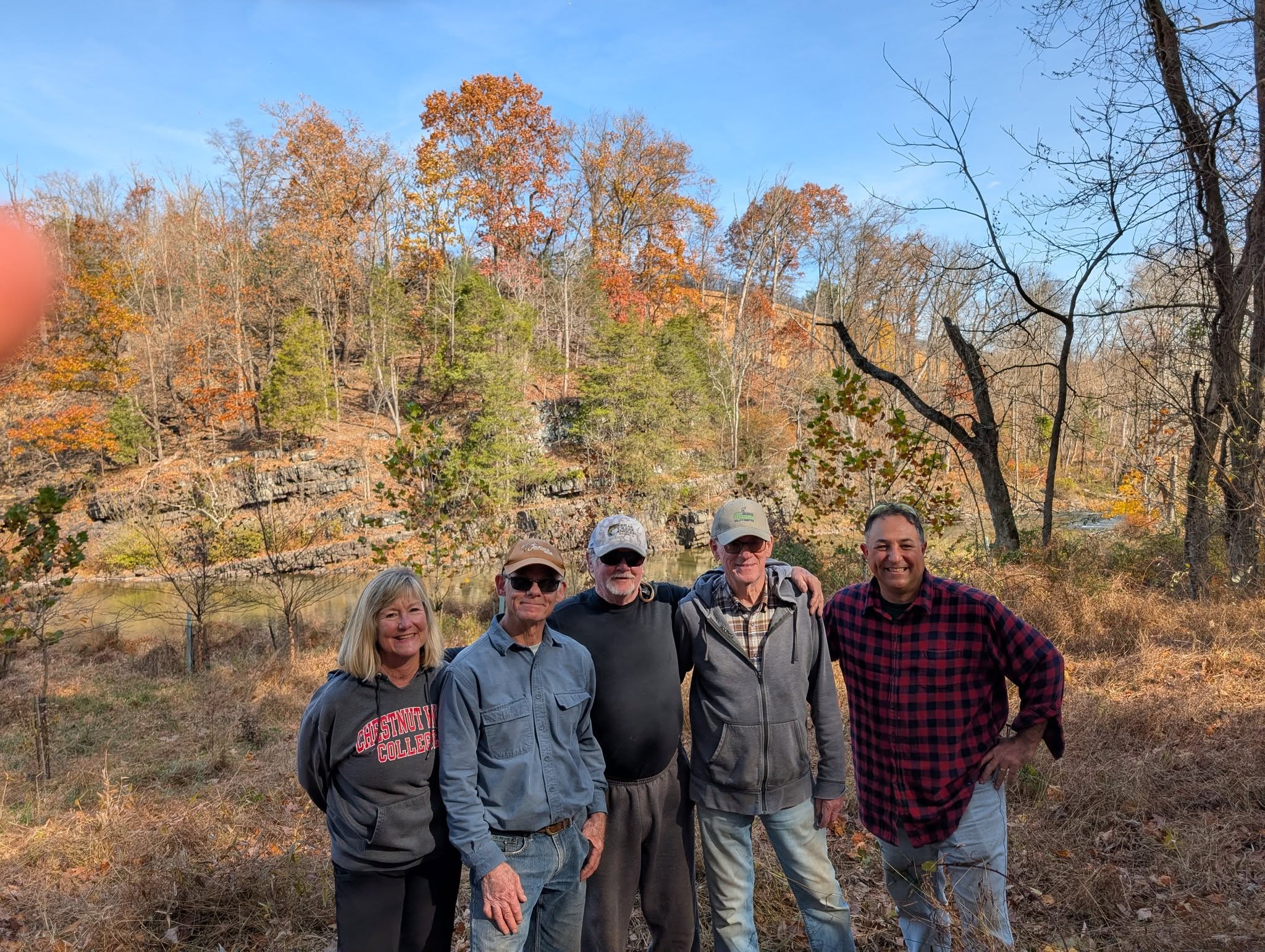
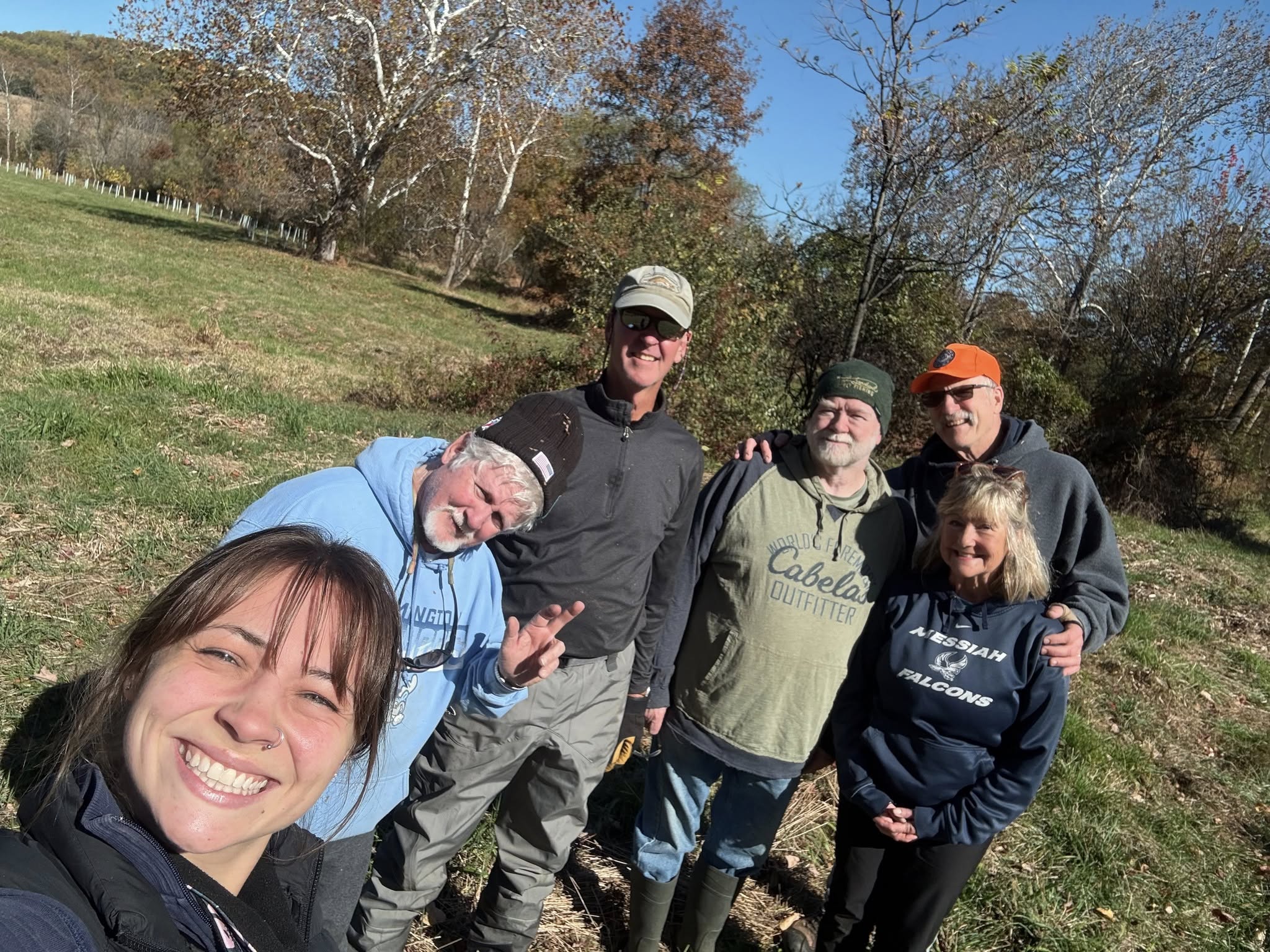
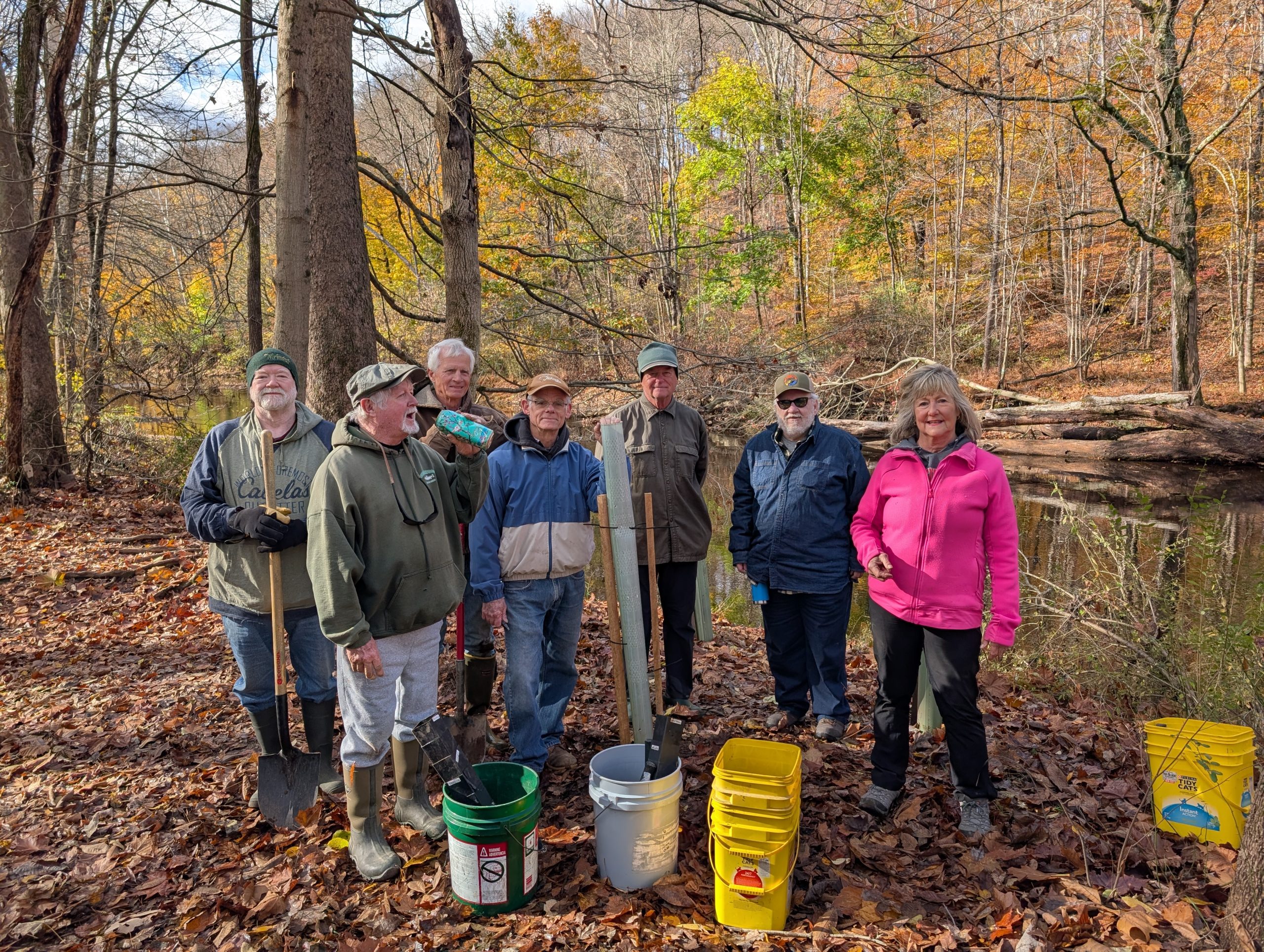
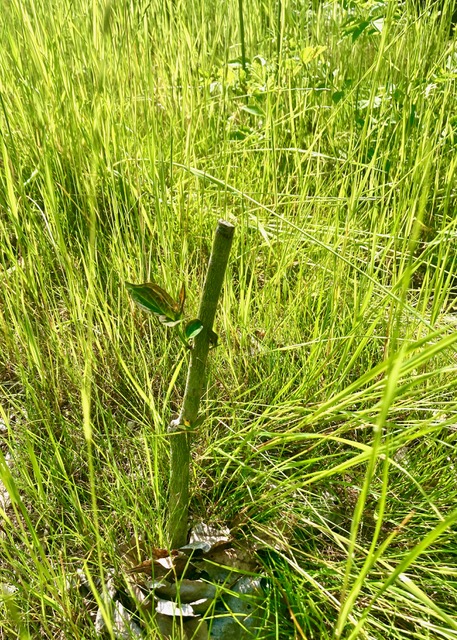
Perkiomen Valley is proud to participate in the planting and maintenance of streamside trees and vegetation in partnership with local stakeholders. PVTU volunteers plant and maintain native species of tree in multiple locations within our chapter boundaries along Perkiomen Creek and its tributaries.
What is a Riparian Zone?
Riparian areas are the lush, productive zones of land that border rivers, streams, and other water bodies. These “ribbons of life” play essential ecological roles: their vegetation stabilizes streambanks, filters sediment and pollutants, buffers floodwaters, and provides habitat for a wide range of wildlife. Because they sit at the meeting point of land and water, riparian zones support high biodiversity and act as natural corridors connecting aquatic and terrestrial ecosystems.
Despite their importance, riparian areas are among the most degraded habitats in the United States. According to American Rivers, nearly 70 percent of riparian habitat nationwide has been lost, largely due to development, agriculture, grazing, and other land-use pressures. This widespread impairment has significant impacts on water quality, flood resilience, and wildlife populations.
Protecting and restoring riparian zones is critical for the long-term health of our waterways. Reestablishing native vegetation, reducing disturbance, and maintaining natural buffer zones along riverbanks can help rebuild ecological function, improve water quality, and strengthen river systems against the pressures of a changing climate.